

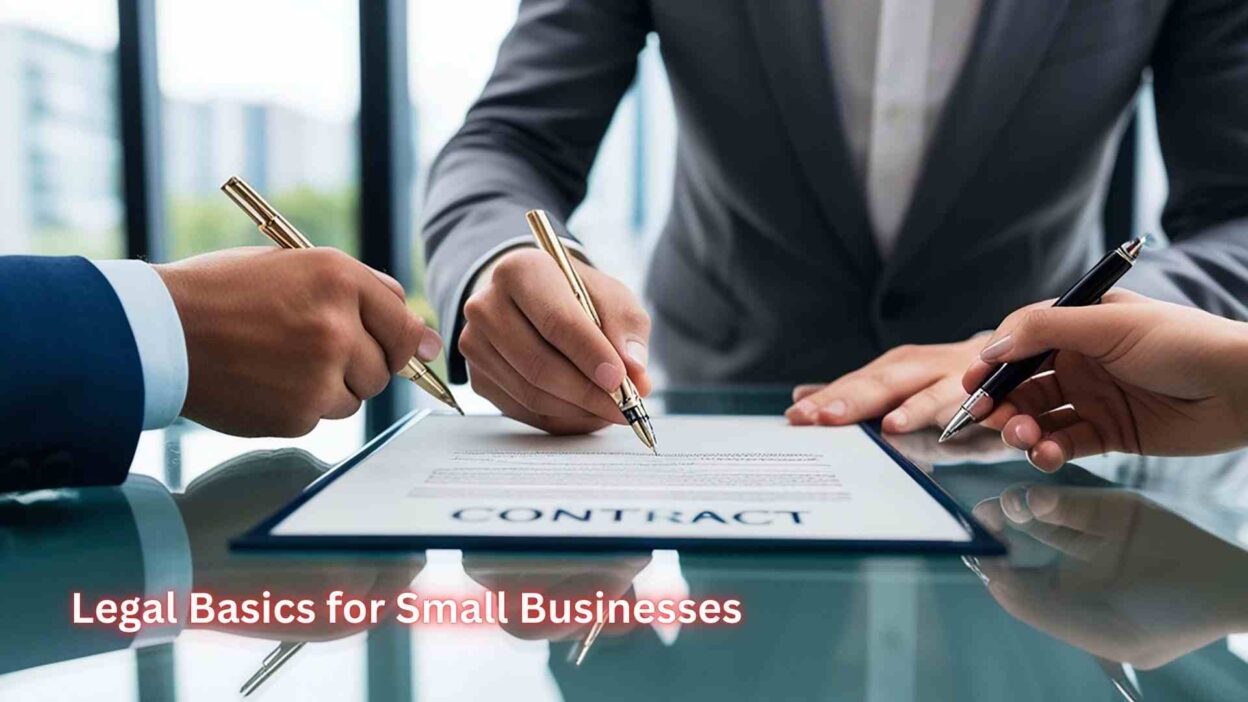
Starting a small business is exciting, but it comes with responsibilities. One of the most important areas every business owner must understand is the law. Knowing the basics can help you avoid problems, protect your business, and save money. This guide explains legal matters in simple terms, so you can focus on growing your business with confidence. Even if you are new to business, these tips will help you understand what you need to do to keep your business safe and legal.
1. Choosing the Right Business Structure
When you start a business, you need to decide how it will be set up legally. This is called your business structure. The common types are:
- Sole Proprietorship: You own and run the business by yourself. It’s simple to set up but you are personally responsible for debts.
- Partnership: Two or more people share ownership. Partners share profits, losses, and legal responsibilities.
- Limited Liability Company (LLC): This structure protects your personal assets from business debts. It is more flexible and safe.
- Corporation: A corporation is a separate legal entity. It offers strong protection for owners but has more rules to follow.
Choosing the right structure is important because it affects taxes, liability, and paperwork. You can talk to a lawyer or accountant to pick the best option for your business.
2. Registering Your Business
Once you choose a structure, the next step is to make your business official. Registration is the process that lets the government know your business exists. Steps usually include:
- Business Name: Pick a unique name and make sure no one else is using it.
- Register with Local Authorities: File the paperwork with your city or state government.
- Get a Tax ID Number: This is needed to pay taxes and open a business bank account.
- Licenses and Permits: Some businesses need special permission to operate, like restaurants or salons.
Proper registration keeps your business legal and allows you to open bank accounts, sign contracts, and hire employees.
3. Understanding Business Taxes
Taxes are a big part of running a business. It’s important to understand what taxes apply to your business:
- Income Tax: You pay tax on your profits.
- Sales Tax: If you sell products, you may need to collect sales tax from customers.
- Employment Tax: If you hire employees, you must pay taxes for them and report wages to the government.
Keeping good records helps you file taxes correctly and avoid penalties. Many small businesses use accounting software or hire a professional accountant.
4. Contracts and Agreements
Contracts are written agreements between you and other parties. They can be with customers, suppliers, or employees. A contract should clearly state:
- What each party will do
- Payment terms
- Deadlines
- What happens if something goes wrong
Even simple contracts can protect you from misunderstandings and legal problems. Always read contracts carefully before signing. When in doubt, get legal advice.
5. Protecting Your Business
Protecting your business means keeping it safe from legal trouble and financial loss. Important steps include:
- Insurance: Business insurance covers accidents, property damage, or legal claims.
- Trademarks and Copyrights: Protect your brand, logo, or products from being copied.
- Privacy and Data Security: If you collect customer information, keep it safe.
- Follow the Law: Stay updated on rules that affect your business, like labor laws and safety regulations.
Taking these steps helps your business run smoothly and reduces risks.
Conclusion
Legal matters may seem complicated, but understanding the basics can make a big difference. By choosing the right structure, registering properly, paying taxes, using contracts, and protecting your business, you can avoid problems and focus on growth. Small steps today can save big trouble tomorrow. Learning the legal basics gives you confidence to run your business successfully and safely.